
CONTENT CASCADE SYSTEM · SYSTEMS · EXPAND
Turn one strong source into sustained audience momentum.
Content Cascade System is Inner Ear’s approach to content strategy, repurposing and responsible AI workflows.
We turn valuable source material — a project, event, report, recording, interview, conversation or archive — into a practical system for deciding what to make, where it belongs, how it gets reused and what happens next.
The goal is not more content. It is more value from what you already have.
WHY IT MATTERS
This is not social media management. And it is not a content treadmill.
Most organisations already have more valuable material than they are using well.
Reports, recordings, events, interviews, workshops, archives, podcasts, stakeholder conversations and project documentation often produce one main output, then sit idle.
Content Cascade System turns that material into a practical publishing and reuse system.
It helps small teams decide what matters, what to make, what can wait, what can be reused and how responsible AI can remove friction without replacing judgement.
Projects, events and campaigns
When one strong piece of work should create more than one lonely post.
Funded programmes, launches, festivals, reports, publications, showcases, filming days, live events and campaign moments that generate useful material worth extending.
Small teams under pressure
When valuable material exists but there is no realistic system for making use of it.
Teams that know they should publish more thoughtfully, but do not want to live inside a frantic cycle of ad hoc requests and reactive posting.
Archives and recurring programmes
When accumulated knowledge should keep paying back over time.
Archives, oral histories, recurring programmes, editorial series, seasonal work and bodies of expertise that deserve a better route into public value.
WHAT THIS IS
A content system begins with the source, not the channel.
The opening question is not “What should we post on LinkedIn this week?”
It is “What do we already have that is worth somebody’s attention?”
- SourceStart with the material that already exists: recordings, transcripts, events, reports, stories, interviews, project documentation, archive assets and live moments.
- PrioritiesDecide what matters most, which audiences it serves, what deserves depth, what can be lighter and what should not be made at all.
- WorkflowCreate a realistic route for planning, making, approving, publishing, reusing and storing material so that the team can sustain the work.
- LearningKeep the evidence, archive and audience response connected so that future work begins with insight rather than guesswork.
This is a content strategy service built around reuse, structure and momentum.
It is not a request to post more often. It is a way to make your existing material work harder and travel further.
HOW WE WORK
Build a system your team can actually sustain.
We shape the system around what the work needs, what the team can realistically support and how content should continue delivering value after the first moment.
1. Planning
Clarify the valuable source material, audience priorities, editorial opportunities, approval routes, practical constraints and where the strongest anchor pieces should sit.
2. Production
Turn the source into the right anchor outputs and derivative assets, using structure, reuse and AI-assisted support where it genuinely reduces friction.
3. Progression
Keep the value moving through publication, redistribution, archiving, learning and informed next steps rather than allowing the material to stall after the first release.
This works best when valuable source material is treated as the beginning of a publishing system rather than the end of a project.
THE CASCADE
One source. Several useful expressions. One connected system.
The system should be visible, practical and crawlable.
- Source
A project, event, report, interview, recording, archive or body of expertise.
- Anchor
The strongest expression of the material.
- a report
- feature
- podcast
- live programme
- film
- longform interview
- guide
- presentation
- Derivatives
Useful expressions designed for different contexts rather than arbitrary shortened copies.
- articles
- clips
- extracts
- quotes
- short audio
- short video
- graphics
- newsletters
- FAQs
- social content
- sales material
- resource pages
- Distribution
The channels and moments where each asset has a useful job to do.
- Archive and learning
The material, evidence and audience response are retained so the next cycle starts with more knowledge rather than another blank page.
Sometimes one source creates five useful assets. Sometimes it creates fifty.
Volume follows value, not the other way round.
RESPONSIBLE AI
Use AI to remove friction, not judgement.
AI can help organise, analyse and adapt source material. It should not decide what matters, what is true or what your audience deserves.
- OrganiseSort transcripts, notes, recordings, source documents and archive material into usable structures.
- AnalyseSurface themes, recurring questions, audience pathways, editorial gaps and opportunities for better reuse.
- AdaptSupport summaries, extracts, working drafts, metadata and structural variants that make production faster without making it careless.
- ReviewKeep human editorial judgement, factual responsibility, brand tone, consent and context at the centre of every publishing decision.
The useful question is not “How much content can AI make?”
It is “Where can AI reduce unnecessary effort without reducing trust, quality or human responsibility?”
TYPICAL OUTPUTS
What a Content Cascade System usually produces.
The exact outputs vary, but the practical shape is usually recognisable.
Source and opportunity map
A clear view of what material exists and which parts are worth developing first.
Source audit, opportunity map, audience alignment and early decisions about what should anchor the system.
Audience and content priorities
A sharper understanding of which messages, stories and formats deserve effort.
Priority themes, audience needs, message hierarchy and clearer choices about where not to spend energy.
Editorial system
A repeatable route for planning, making, approving, publishing and storing assets.
Workflow design, repurposing logic, approval routes, AI-assisted support points and archive structure.
90-day action plan
A realistic plan for what happens next.
Anchor outputs, derivative assets, publishing rhythm and next-step priorities for the coming cycle.
OUTCOMES
What should feel easier and stronger afterwards.
The best result is not simply more published material. It is more confidence, more clarity and more useful audience momentum.
Clearer priorities
Your team knows what matters most and what can wait.
Less noise, fewer reactive requests and better decisions about effort, focus and timing.
Better reuse
Strong source material keeps producing value over time.
Stories, recordings, reports and conversations are reused intelligently rather than disappearing after one outing.
A realistic rhythm
Publishing becomes more sustainable.
A rhythm the team can actually support, with a healthier balance between planning, production and review.
Less reinvention
You stop starting from a blank page every time.
Systems, templates, archive logic and AI-supported workflows reduce repeated effort without flattening the work.
A PRACTICAL START
Start with one strong source.
You do not need a huge backlog to benefit from this service.
A completed project, event, report, interview series, workshop, filming day, podcast, archive or body of expertise can all become the starting point for a better content system.
completed projecteventreportinterview seriesworkshopfilming daypodcastarchivebody of expertise
CONTENT SYSTEMS IN PRACTICE
See what happens when valuable material keeps moving.
These examples show how performance, place, editorial structure and capture can continue working well beyond the first moment.

Content Cascade System
Culture Ireland Showcase at Celtic Connections
A one-night showcase became a package of performance media, artist interviews and reusable cultural assets that continued supporting promotion after the event.

Content Cascade System
Glasgow City Heritage Trust — Glasgow’s Walls Could Talk
Heritage source material, place-based knowledge and specialist voices were shaped into a publishing format that could continue creating audience value over time.
Content Cascade System
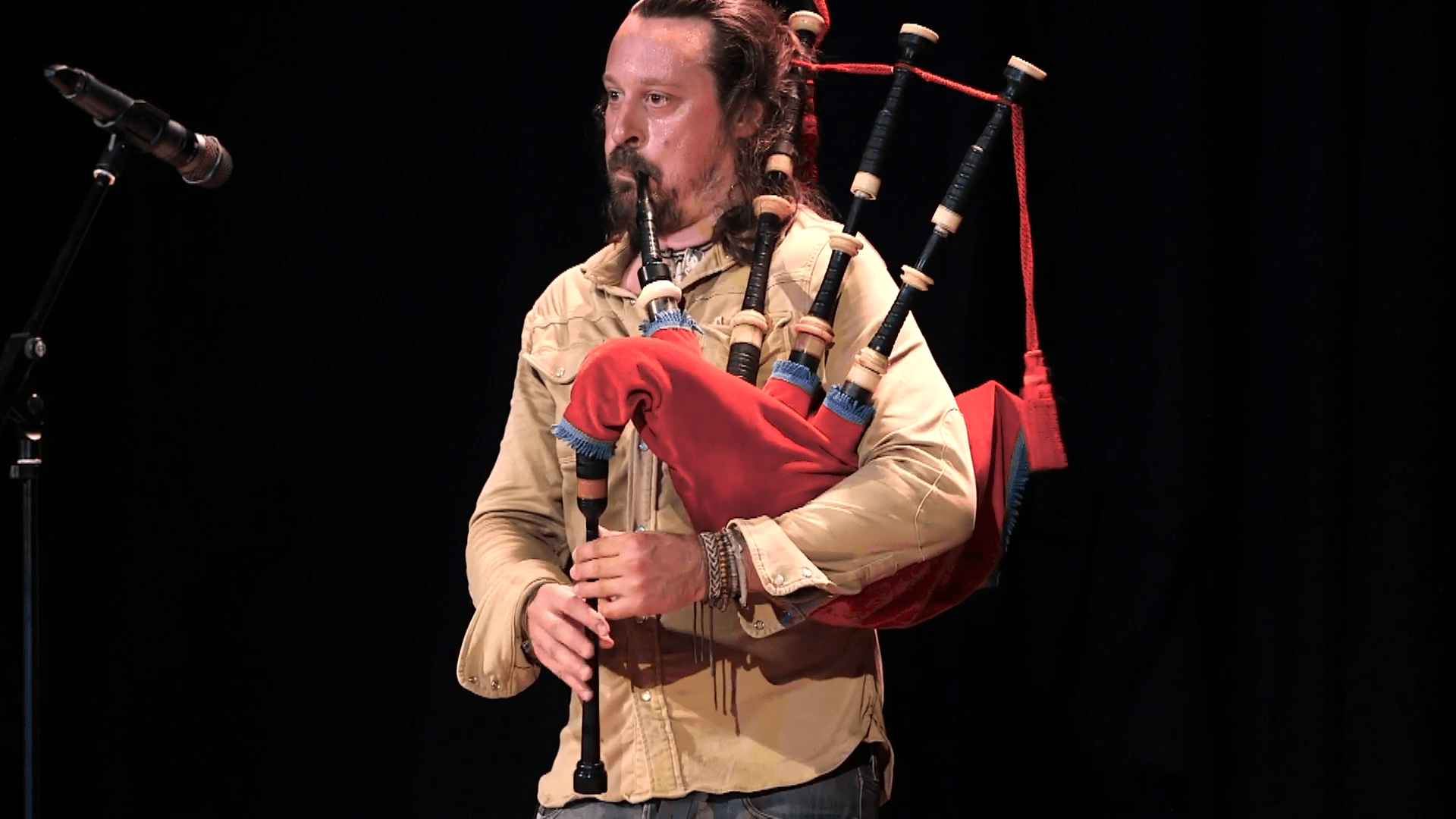
Piping Live Festival Digital Experience
Live music coverage, interviews and performance assets were organised so the festival could keep telling stories after the first transmission.
CLIENT PERSPECTIVE
Trusted to turn complexity into something workable.
The most useful feedback on this kind of work tends to mention clarity, momentum and delivery rather than volume alone.
James Estill, former Senior Producer, 4Talent, Channel 4The team at Inner Ear have been a pleasure to work with, and offer that rare combination of creative thinking, highly effective project management, top quality production and on-time delivery.
Approved testimonial
COMMON QUESTIONS
Content Cascade System questions
The commissioning questions that usually sit behind content strategy, repurposing and workflow design.
What is a Content Cascade?
A Content Cascade is a structured way of turning one valuable source into several useful expressions over time.
The source might be a project, event, report, recording, interview, archive or body of expertise. The cascade defines what should anchor the work, what derivatives should exist, where they belong and how the value keeps moving afterwards.
Is content repurposing just turning one piece into smaller pieces?
No.
Repurposing is only useful when the resulting material has a clear job to do. The aim is not to atomise everything into arbitrary fragments. It is to create deliberate expressions for different moments, formats and audiences.
How is this different from a content calendar?
A content calendar is a scheduling tool.
Content Cascade System is the strategic and operational logic that decides what should be scheduled, why it matters, how it is made, what gets reused and what the team learns for next time.
Can you work with content we already have?
Yes.
In many cases, that is the starting point. Existing reports, recordings, transcripts, archive material, films, interviews, talks, events and stakeholder conversations often contain more useful value than their current form reveals.
Do you create the content too?
Yes, where needed.
Inner Ear can help design the system, shape the editorial logic and produce the anchor outputs or derivative material that make the system real. Where a project needs a more distinctive audience-facing format, Engaging Storytelling Experiences is the adjacent service.
How much content should we create from one source?
As much as remains genuinely useful.
The right answer depends on the strength of the source, the audience need, the available team capacity and the role each asset can play. Volume is not the target. Useful momentum is.
Can AI automate the system?
AI can support parts of it, but it should not replace editorial judgement.
It can help organise source material, surface patterns, prepare working drafts and reduce repetitive effort. Decisions about truth, context, tone, permission and audience trust still need human responsibility.
Can this work for a small team?
Yes.
In fact, small teams often benefit most because the service reduces reinvention, clarifies priorities and builds a more realistic publishing rhythm around limited capacity.
RELATED SERVICES
Some projects begin earlier. Others become more experiential.
Content systems often connect to strategy work at the start and richer storytelling formats further along.
Project Value Strategy
When the first challenge is identifying what matters, what evidence exists and which stories or opportunities deserve activation.
Engaging Storytelling Experiences
When the material needs to become a richer audience-facing format such as a podcast, live programme, film or interpretive experience.
AI Consultancy
When the system needs a practical review of where AI can reduce repetitive work, improve knowledge flow and support responsible adoption.
NEXT STEP
What valuable material should be working harder?
Tell us what source material already exists, what you want it to achieve and where the current publishing rhythm is stalling.
We can help shape the simplest useful system before the work turns into another pile of disconnected requests.