
LIVE STREAMING PRODUCTION · STORYTELLING · EMBODY
Live streaming production that gives people a reason to be there now.
Inner Ear plans and produces live and as-live programmes for events, festivals, performances, competitions, launches, discussions, ceremonies and branded experiences.
We combine broadcast craft, audience engagement and resilient technical production to make the live moment worth showing up for — and useful long after it ends.
A reliable stream is the baseline. The programme is the value.
Live streaming since 2001
Inner Ear launched Radio Magnetic as an online radio station in March 2001 and has been making live internet programmes ever since.
Live and as-live
Choose genuine liveness when it adds value, or retain broadcast discipline while recording as-live when that makes more sense.
Full-service or collaborative
We can lead the whole production, integrate with your existing team or help you build the capability yourself.
Beyond the broadcast
Plan recordings, features and other assets so the programme can continue creating value afterwards.
WHY IT MATTERS
Going live is easy. Making live worth watching is not.
Technology has made it straightforward to put a camera online.
That does not automatically create a good live programme.
People still need a reason to watch, stay, participate and care.
And because live production happens in real time, there is nowhere to hide when the programme loses momentum, the audience is ignored or something technical goes wrong.
We start before the cameras.
We ask:
Why should this be live?
Who needs to experience it?
What will keep them with us?
What can they do while it is happening?
What happens if something fails?
What useful value should remain afterwards?
Situation 1
Festivals, performances and cultural events
Bring people closer to something they cannot attend physically and give remote audiences meaningful access to the place, performers, programme and atmosphere.
Situation 2
Competitions, ceremonies and reveals
Use genuine uncertainty, jeopardy, announcement and shared anticipation to make the live moment matter.
Situation 3
Brands, organisations and launches
Create live programmes around people, products, expertise, culture or activity rather than simply pointing cameras at an event.
Situation 4
Talks, conferences and discussions
Turn expertise and conversation into a properly structured programme rather than a passive relay of whatever happens in the room.
WHAT THIS IS
A live stream is the delivery mechanism. A live programme is the experience.
Use the proven concept-grid treatment to show the difference between transmission, production and audience value.
- ProgrammeWhat is actually happening on screen? We consider structure, running order, presenters, contributors, interviews, commentary, feature packages, graphics, pacing and transitions. The audience should experience a programme rather than an unedited feed.
- ProductionHow do we make it work? Depending on the project, that can include cameras, sound, lighting, vision mixing, playback, graphics, encoding, remote contribution, communications, platform configuration and technical monitoring. The technology serves the programme.
- ParticipationWhat can the audience do? Live chat, questions, polls, voting, shout-outs, choices, moderated discussion, contributions and other interaction can turn remote viewers into participants. Not every mechanism suits every programme. Interaction should feel useful rather than contrived.
- ResilienceWhat happens when real life intervenes? We plan for technical failures, content changes, late contributors, connectivity problems and other surprises. Testing, rehearsals, monitoring, backup sources, redundant systems and clear recovery procedures help us keep the programme — and the audience — onside.
LIVENESS
Give people a reason to be there now.
Not every programme needs to be live. When liveness is the right choice, it should add something meaningful.
- Shared presencePeople in different places experience the same moment together.
- AccessThe audience gets closer to people, places or activity they could not otherwise experience.
- ParticipationViewers can respond, ask, choose, contribute or influence what is happening.
- Jeopardy and revealThe outcome is not yet known. Competitions, announcements, decisions and discoveries create a reason not to wait for the recording.
Some programmes contain these qualities naturally.
Others need thoughtful design around access, interaction and presence to make the live experience genuinely worthwhile.
If liveness adds nothing useful, we will say so.
FORMAT DECISION
Sometimes the right live programme is not actually live.
There are projects where the programme should unfold in real time. There are others where it is better to record it as-live: using the discipline, pacing and production methods of a live broadcast without transmitting it to the audience at that moment.
Go live when
Real-time transmission adds meaningful audience value.
- real-time participation matters
- there is genuine jeopardy or reveal
- shared presence is part of the experience
- timing itself has meaning
- the audience benefits from being there now
Consider as-live when
You want live discipline without unnecessary transmission risk.
- there is little audience benefit in real-time transmission
- scheduling makes a later premiere more useful
- contributors or rights introduce unnecessary live risk
- post-event release supports the objective better
- you want the efficiency and energy of live programme making without the transmission risk
We will recommend the format that makes sense for the project rather than sell liveness for its own sake.
HOW WE WORK
Plan it like television. Produce it for the internet.
Before deciding on cameras and platforms, we establish the audience, editorial concept and reason to go live.
1. Planning
Before deciding on cameras and platforms, we establish objectives, audience, editorial concept, format, running order, contributors, audience participation, accessibility, rights and permissions, distribution, monetisation where relevant, connectivity, production roles, promotion and source material worth capturing.
2. Production
We build, test, rehearse and run the show. Depending on scale, this can include production management, directing, multi-camera capture, sound, lighting, vision mixing, graphics, video playback, feature packages, interviews, remote contributors, encoding, platform configuration, communications, live moderation, monitoring, recording and technical resilience.
3. Progression
The work does not have to end when the stream stops. We can help assess recordings, individual programme assets, audience response, engagement, technical performance, clips, feature packages, archive value, editorial opportunities, potential future revenue and what should change next time.
A common live-streaming mistake is working out how before being clear about why.
We start with why.
LIVE PROGRAMME FORMATS
Different live moments need different programmes.
Different commissions need different programme shapes, but each should feel built around the audience rather than the equipment list.
Festivals and performances
Bring remote audiences into music, performance, cultural activity and the atmosphere around it.
Competitions and ceremonies
Build programmes around action, context, commentary, anticipation and results.
Talks and discussions
Give conversations editorial shape and make remote audiences part of the exchange.
Launches and brand experiences
Create a live occasion around products, people, expertise, place and culture.
Conferences and hybrid events
Connect activity in the room with audiences and contributors elsewhere without treating the stream as an afterthought.
Private and restricted programmes
Create live experiences for members, customers, partners or other defined audiences where access and exclusivity are part of the value.
AUDIENCE EXPERIENCE
Do not make the remote audience watch from outside the window.
A remote audience deserves to be treated as an audience in its own right.
- Audience relationshipThink about presenters speaking to them, useful context, questions and comments, moderation, polls and voting, audience prompts, contributor access, pacing, accessibility and support when something goes wrong.
- Participation designInteraction should be planned rather than added simply because a platform offers a chat box.
- Meaningful metricsA huge audience that barely cares is not automatically more valuable than a smaller audience that watches, responds, shares, returns, buys or participates. The important metric depends on the objective.
TECHNICAL DELIVERY
Live means you need a plan for what might go wrong.
Reliable live production requires more than good equipment. It requires preparation.
- ConnectivityConsider connectivity and backup connectivity, signal paths, redundant sources, recording and platform behaviour.
- RehearsalUse audio monitoring, communications, technical rehearsal, contributor rehearsal and backup assets before the audience arrives.
- RecoveryPlan recovery procedures, escalation routes and audience communication so the production can stay calm when real life intervenes.
The objective is not to pretend live production carries no risk.
It is to understand the risk and manage it professionally.
ACCESS
Reaching more people also means helping more people participate.
Accessibility should be part of production planning rather than something added at publication.
- captions
- transcripts
- readable graphics
- clear audio
- accessible player and platform choices
- audience support
- descriptive contextual information
- post-event accessible versions
Agree requirements during pre-production so they are properly resourced and delivered.
BEYOND LIVE
The programme finishes. The value does not have to.
When we plan the production properly, the live programme can leave behind far more than one recording.
Potential assets
Clean programme recordings, individual performances, interviews, feature packages and clips.
- clean programme recordings
- individual performances
- interviews
- feature packages
- vox pops
- product demonstrations
- presenter links
- clips
- stills
- transcripts
- quotes
- archive material
- audience insight
Where they can work
Turn the programme into sustained editorial and audience value.
- websites
- social channels
- newsletters
- membership
- sponsors
- future programmes
- editorial features
- articles
- sales activity
- archives
If continued reuse is a major part of the requirement, we can connect the production to Inner Ear’s Content Cascade System.
COMMERCIAL VALUE
If revenue matters, design it in before you go live.
Live programmes can support direct and indirect revenue. The right model depends on the project and audience.
- sponsorship
- advertising
- ticketing
- pay-per-view
- subscriptions or membership
- donations
- merchandise
- product sales
- service sales
- partner activity
- subsequent licensing or reuse
We will not bolt monetisation onto a finished programme and pretend it is a strategy.
Where commercial return matters, it should influence the audience proposition, platform, rights, promotion and production plan from the beginning.
DELIVERY OPTIONS
Bring us the whole production or the part you need.
Preserve the useful principle of flexible delivery without carrying forward the old service architecture.
Full-service production
We take responsibility for planning, editorial and technical production, live delivery, recording and agreed post-event assets.
Useful when the client wants Inner Ear to run the programme.
Production partner
We integrate with your existing event, AV, communications, production or creative team.
Useful when significant capability already exists but specialist live programme expertise is needed.
Consultancy and training
We help your team develop the strategy, workflow, confidence and skills to deliver the programme yourselves.
Useful when building internal capability is part of the objective.
LIVE PRODUCTION IN PRACTICE
Live work shaped around the reason to be there.
Show a mix of competition, branded culture and monetised live delivery rather than one narrow kind of live stream.
Live Streaming Production
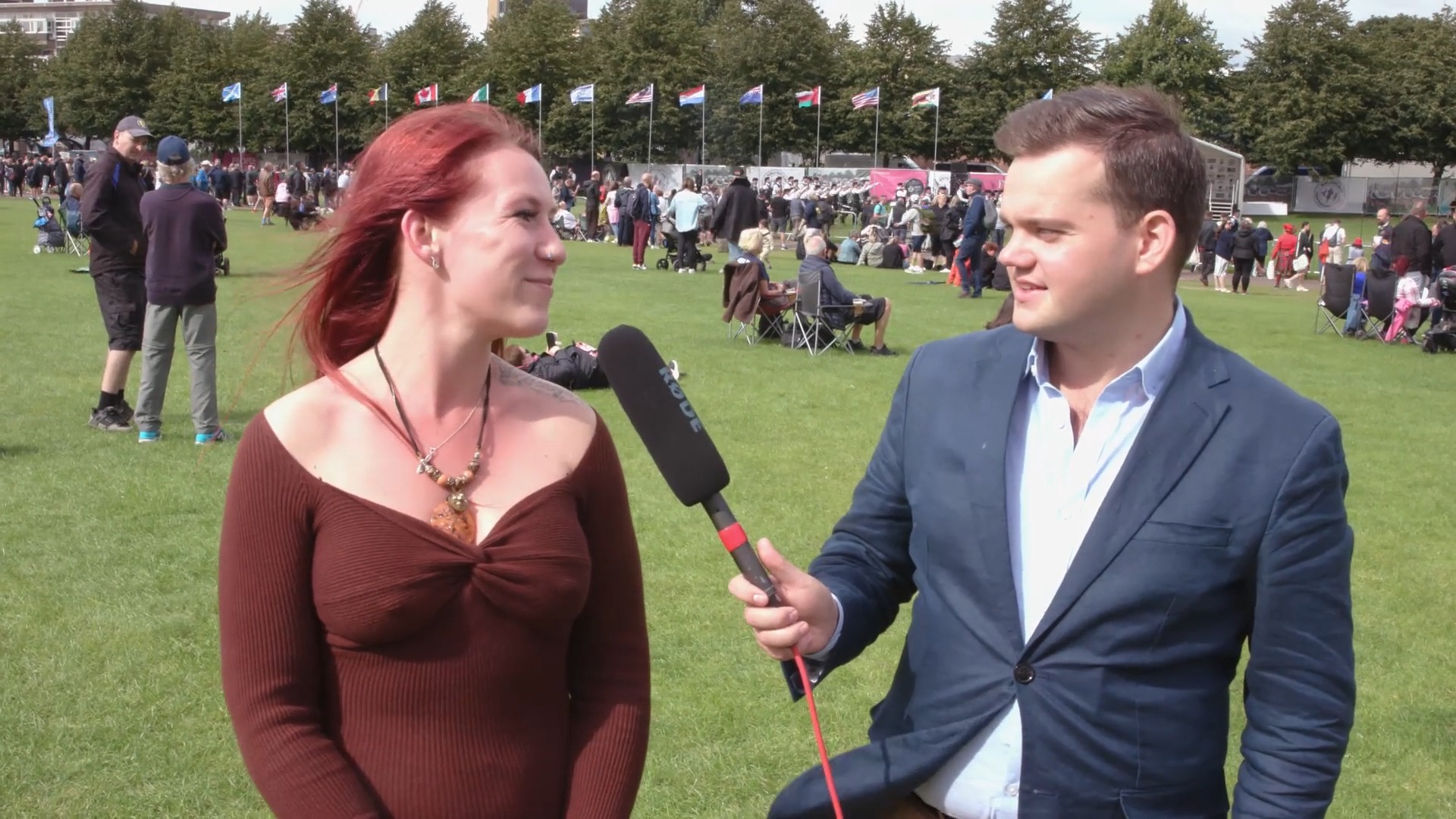
World Pipe Band Championships
A major live cultural event extended into a richer digital audience experience through live programme structure, supporting stories and reusable performance media.
Live Streaming Production
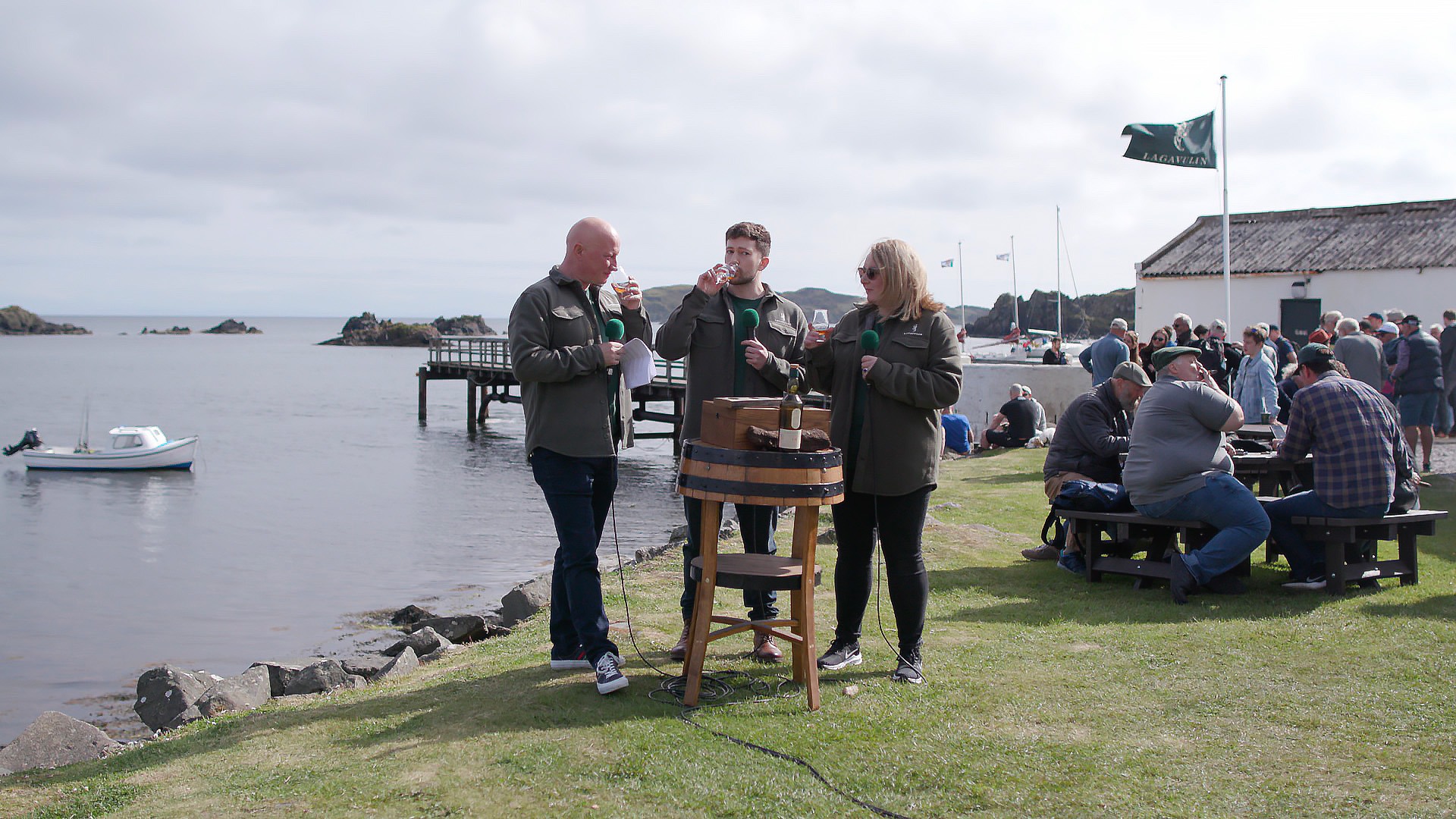
Lagavulin & Caol Ila — Fèis Ìle
Live digital experiences that connected viewers with distillery culture, contributors, product context and place rather than simply relaying a camera feed.
Live Streaming Production
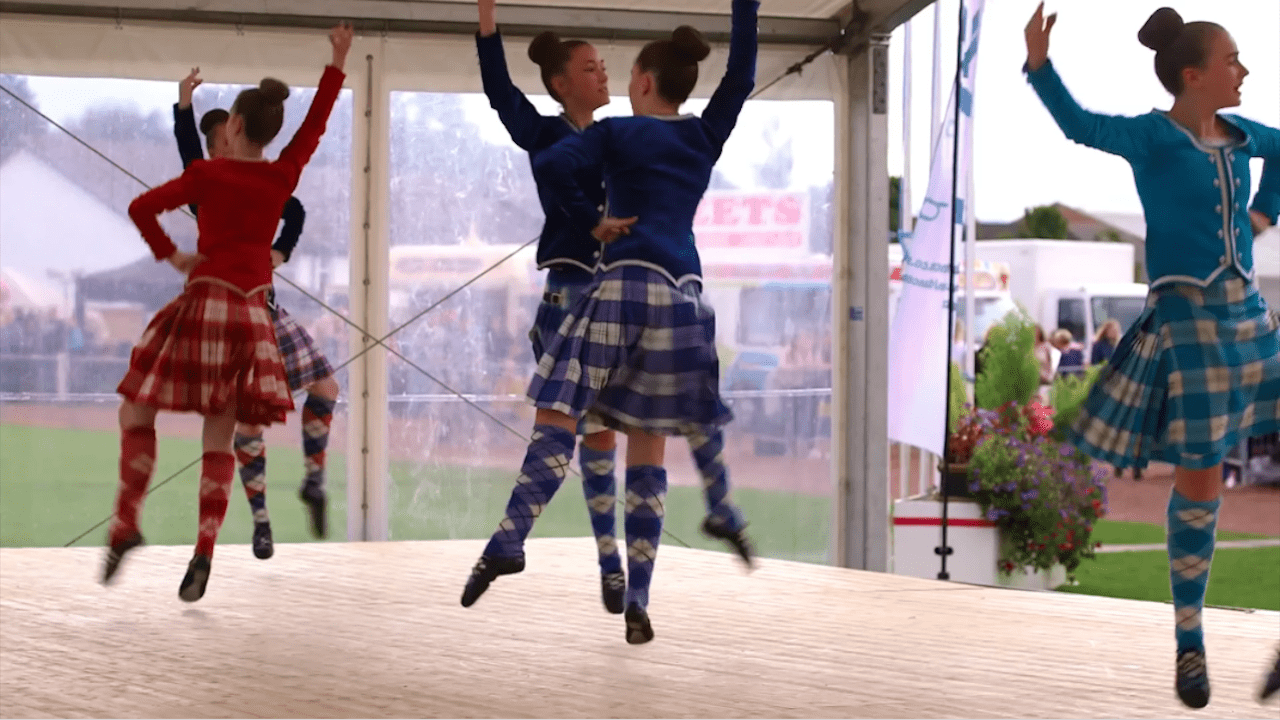
World Highland Dancing Championships — Cowal Gathering
Professional live delivery for a discerning international audience, with a monetisation approach built into the programme model from the start.
CLIENT PERSPECTIVE
Trusted when it has to work live.
Use approved live-production testimony rather than generic praise.
Janet West, Cowal GatheringWith event costs rising we looked at how we could monetise this year’s livestream and took a hybrid approach, where we offered two and a half days of viewing free and put the World Highland Dancing Finals behind a paywall. This was the perfect solution for us, for this year and Inner Ear was able to provide this service professionally and without question. As well as providing Cowal Gathering with a first-class service, which frees up my time to concentrate on other aspects of the event, the team is helpful, knowledgeable and great fun.
Approved testimonial
COMMON QUESTIONS
Live Streaming Production questions
Keep the answers as normal crawlable HTML rather than hiding them inside a script or widget.
What does professional live streaming production include?
It depends on the programme.
A full production can include creative and editorial planning, production management, cameras, sound, lighting, graphics, playback, presenters and contributors, vision mixing, streaming, recording, moderation, platform configuration and post-event assets.
We define the production around what the audience needs rather than selling a fixed equipment list.
Do we need to know which streaming platform to use?
No.
Platform choice should follow the audience, access requirements, privacy, rights, interaction, monetisation and technical needs.
We can recommend and configure an appropriate route once those requirements are clear.
Do you provide multi-camera live streaming?
Yes.
Inner Ear produces multi-camera live programmes as well as simpler productions where one or two cameras are the right choice.
More cameras do not automatically make a better programme. The coverage needs to fit the action and format.
What kind of internet connection do we need?
A stable connection is essential, but the precise requirement depends on the production, encoding settings, venue and distribution route.
We assess connectivity during planning and establish appropriate primary and backup options where the project requires them.
What happens if something goes wrong during the stream?
Live production always carries some risk.
We reduce that risk through testing, rehearsal, monitoring, backup assets, redundant systems where appropriate and clear recovery procedures.
If something does go wrong, good communication with both the production team and audience matters.
Should our event be live or recorded as-live?
That depends on whether real-time transmission creates meaningful value.
Live is particularly powerful when the audience benefits from shared presence, participation, access, uncertainty or reveal.
As-live can be the better option when real-time transmission adds risk but little audience benefit.
We can help make that decision before production.
Can viewers interact with the programme?
Yes, where interaction supports the format.
That might include comments, questions, polls, voting, contributions, calls to action or moderated discussion.
Participation should be planned rather than added simply because a platform offers a chat box.
Can a live stream generate revenue?
Potentially.
Depending on the audience and project, options can include sponsorship, advertising, ticketing, pay-per-view, membership, donations, merchandise and product or service sales.
Revenue mechanisms work best when they are part of the strategy from the beginning.
Can we reuse the content after the event?
Yes, and we recommend thinking about reuse during pre-production.
A live programme can create recordings, individual performances, interviews, features, clips, transcripts and other source assets.
Where this becomes a substantial editorial requirement, we can connect the project to the Content Cascade System.
Can you train our team instead of producing the stream for us?
Yes.
Inner Ear can provide full-service production, collaborate with your team or help develop your own capability through consultancy and training.
RELATED SERVICES
Live production can be one part of a bigger job.
Link clearly to the parent storytelling offer, the post-live content system and the internal-capability route.
Engaging Storytelling Experiences
When the first question is not “How do we stream this?” but “What is the most engaging format for this audience?”
Content Cascade System
When recordings, interviews and features need to become sustained editorial and audience value after the live programme.
Training & Workshops
When the goal is to build your team’s own live-streaming skills and confidence.
NEXT STEP
What needs to happen live?
Tell us what is happening, where it is happening, who needs to experience it, when it needs to happen, what you already know and what is still uncertain.
You do not need a technical specification.
We will help work out the right programme, production and delivery route.